
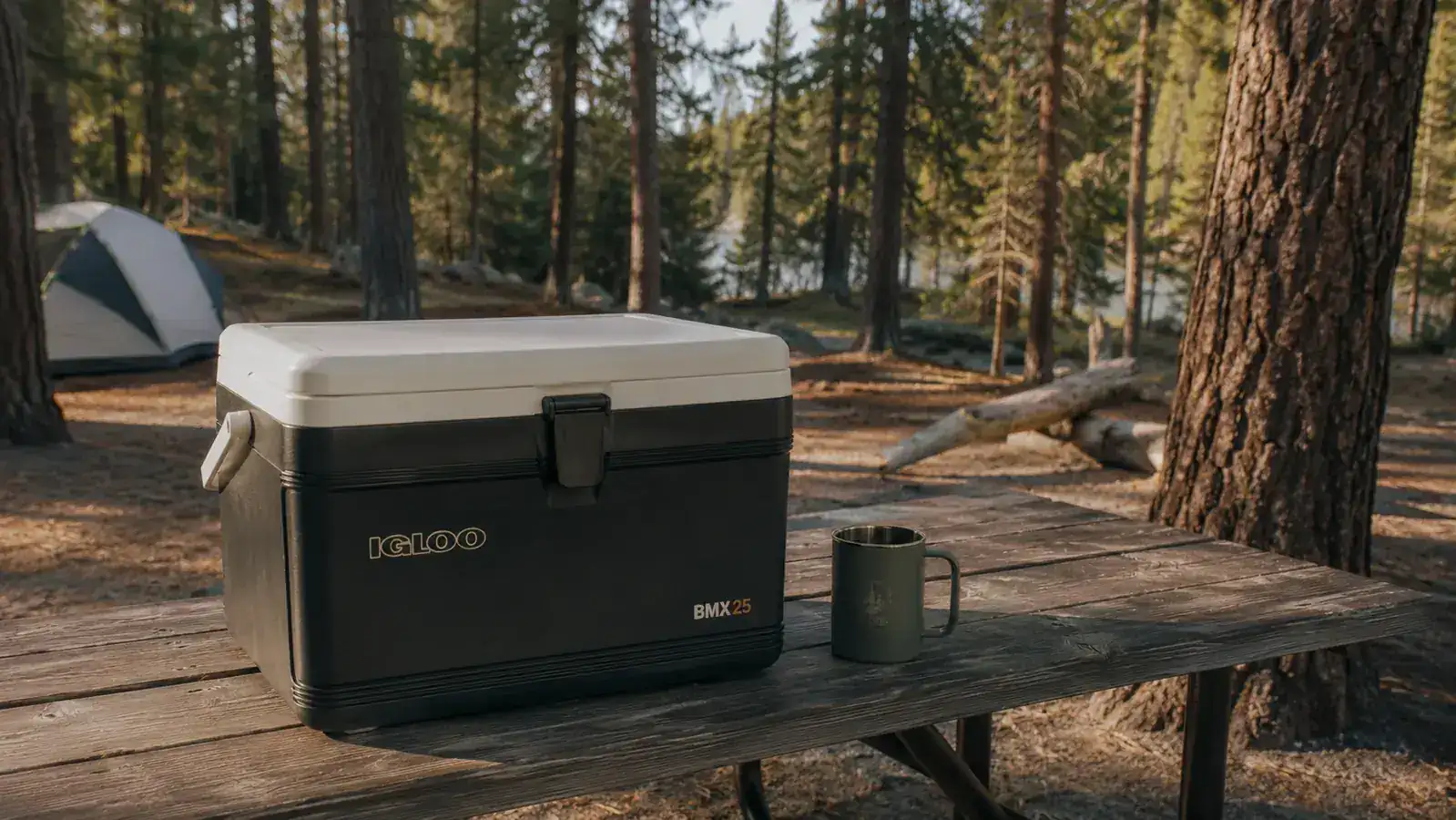
We almost did not bring a real cooler. My wife Sarah and I had done plenty of car-camping weekends close enough to a Walmart that when the soft-sided bag gave out on day two, we just drove in and grabbed more ice. That was the safety net we never thought twice about. Then we planned a 4-day trip to the Pisgah National Forest in August, 6 hours from home, no cell service past mile marker 12, and the nearest grocery store 45 minutes of gravel road away. The Igloo BMX Cooler was not a luxury on that trip. It was the whole plan.
I had looked at the Yeti Tundra. I had also looked at the RTIC and the OtterBox. What I kept running into was the same thing: high-end ice retention you pay a serious premium for, in a cooler that two adults have to grunt to move even before you fill it. We had three kids under 10 on this trip. Hauling gear in and out of a creek-side site meant lighter was better. The Igloo BMX landed in the middle: a hard-sided rotomolded chest with good ice retention, rubber latches, a comfortable pull handle, and a price that did not require a separate budget conversation.
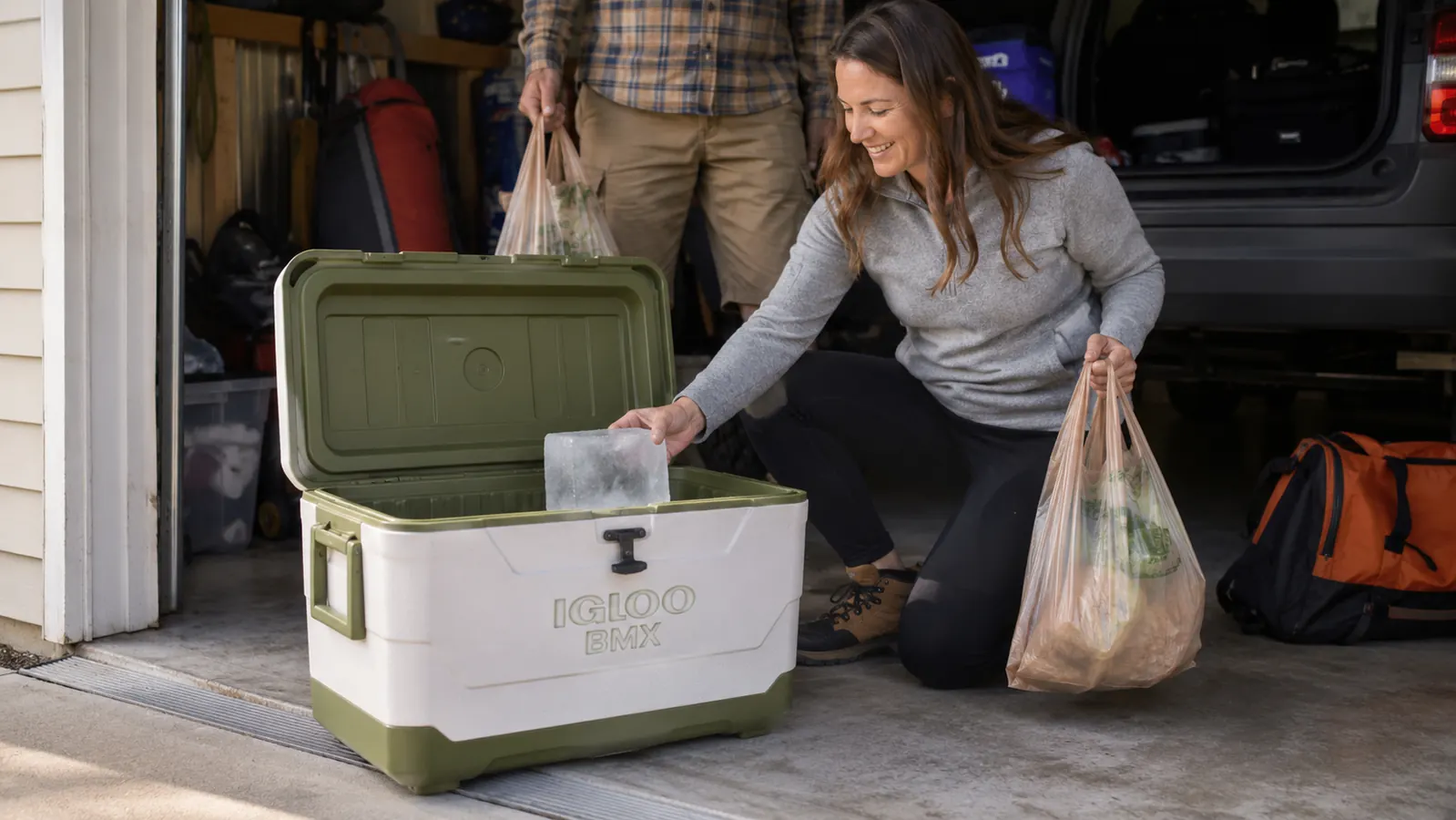
The morning we left, I packed it with two 10-pound blocks of ice underneath, all the meat and dairy nested on top of the blocks, then loose cubed ice filling every gap. Sarah wrapped the outside in a moving blanket for the drive, which sounds excessive until you have cooked hot dogs with spoiled lunch meat and realize you will never skip that step again. By the time we reached the site at 4pm, after six hours in a truck cab that hit 87 degrees inside before we got the AC going, the blocks were still solid. Everything inside was 38 degrees by my pocket thermometer.
Day three is when a soft cooler becomes a slush bucket. The Igloo BMX still had ice on day four morning. I did not expect that.
The real test came on day three. That is historically the day a soft cooler turns into a slush puddle, everything floating in cold water, the seal leaking onto your trunk liner. The BMX was sitting in 84-degree ambient heat, in partial shade. I opened it expecting to find the blocks mostly gone. One block was fully melted, but the second was still a recognizable chunk. The interior temperature was 42 degrees. We had cold milk for the kids' oatmeal that morning. That is not a small thing when you are two days from a grocery store.
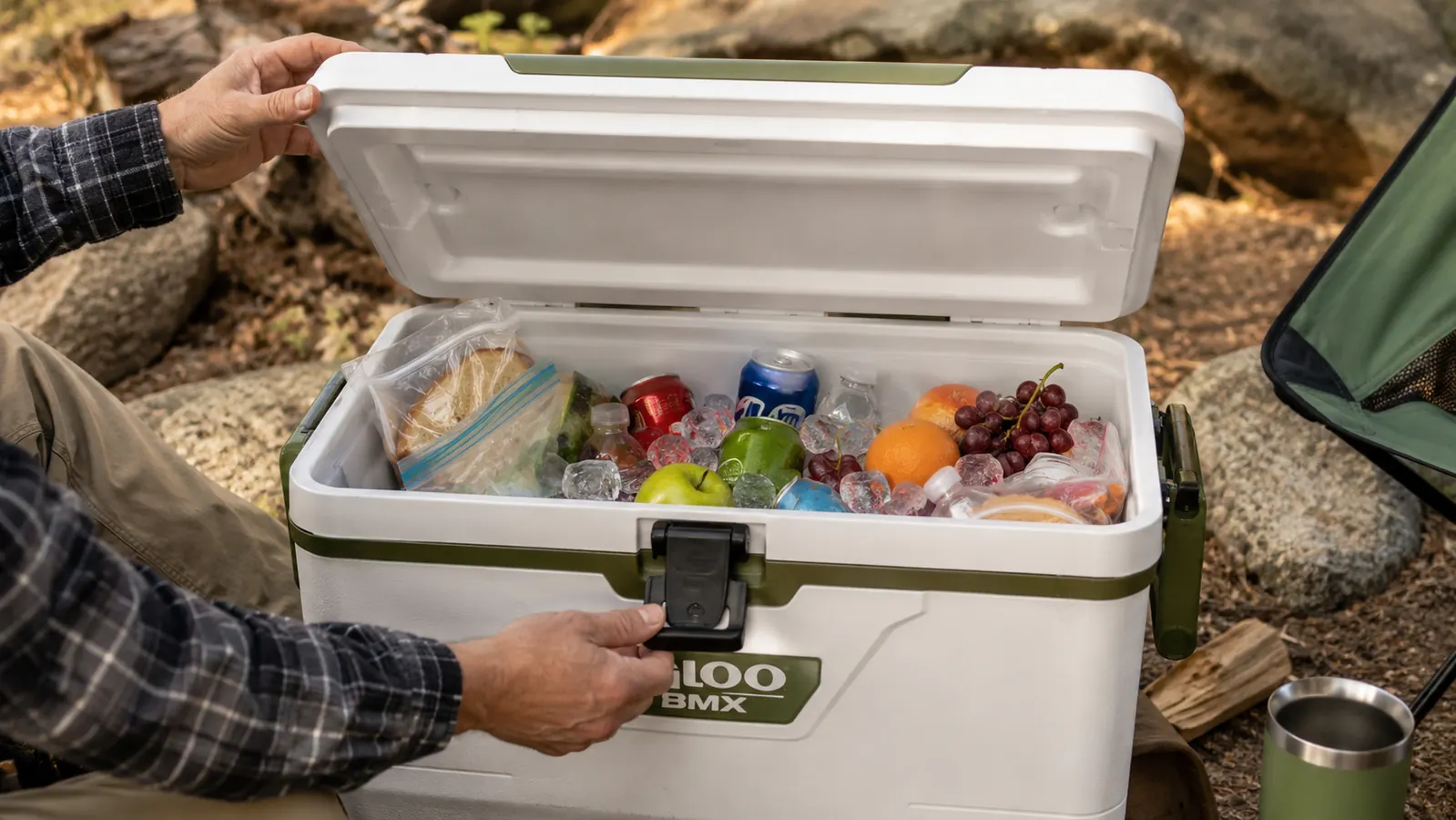
Where the Igloo BMX earned its keep was also where I noticed its limits. The handle and the lid hinge are both plastic, and while they never failed on this trip, neither felt like they were built to take twenty years of abuse the way the body did. The cooler sits on short legs that kept it off the ground, which is a detail I appreciated for drainage. But the drain plug is on the side, not the bottom, which means you tip the chest to empty it fully, and at 25 pounds empty with whatever is left inside, that is an awkward move solo. I made it work, but it is worth knowing.
Your next long camping weekend is the wrong time to gamble on a soft cooler.
The Igloo BMX hard-sided cooler is rated for 5-day ice retention and is currently available on Amazon. Check today's price before your next trip.
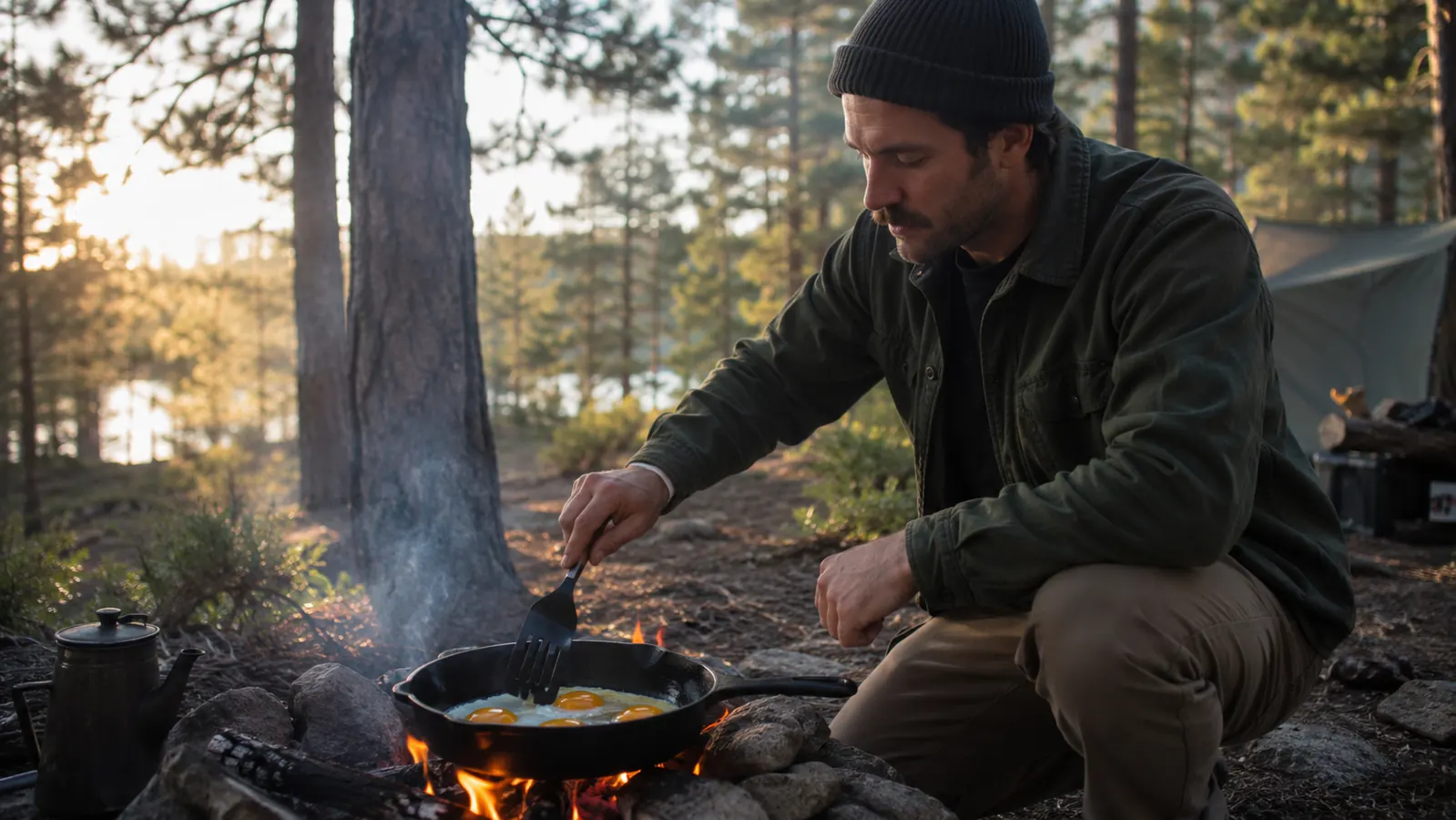
Amazon Check Today's Price on Amazon →On day four, the last morning, we made pancakes with eggs that had stayed at a safe temperature for the full trip. The remaining ice was small cubes, not blocks, but still present. We had not lost a single item to spoilage. For a family that packs enough food to avoid eating off the camp store menu for four days, that is the whole ball game. The trip cost half what it would have if we had to eat out for meals we had planned to cook. The cooler paid for itself on that one trip.
I want to be straight with you about what this cooler is and is not. It is not a Yeti. It does not have the wall thickness or the gasket seal of a chest that costs three times as much. If you are doing a week-long float trip in July with no shade and the cooler is sitting in direct sun all day, you will need to manage it more carefully, pre-chill it the night before, pack smart, and keep it in the shade wherever you can. But for a family doing 3 to 5 day car-camping trips, it handles the real-world load without asking you to spend money that would otherwise go toward gear you actually use every trip.
What I Would Tell You If We Were Sitting at My Kitchen Table
If you came to me and said, I am planning a long weekend camping trip with my family and I want a cooler that actually holds ice, I would tell you to buy the Igloo BMX and spend the money you saved on a good set of block ice and a small thermometer so you know what is happening inside. The cooler is the easy part. The packing technique is what makes or breaks your trip. Pre-chilling the chest the night before with a bag of sacrificial ice, using block ice on the bottom, packing meat in a separate zip bag, and keeping the cooler in the shade on hot afternoons will get you to day four or five without a problem. The BMX holds up its end of the deal if you hold up yours.
We brought it back to Pisgah the following month. I will bring it again. If you want the full breakdown including how it compared to pricier alternatives on ice retention numbers, read the long-form Igloo BMX cooler review. And if you are not sure a hard-sided cooler is worth the step up from what you are using now, check out 10 reasons a hard-sided cooler is worth it before you decide.
Four days of cold food, 6 hours from home, no resupply. That is the standard the Igloo BMX met.
Over 20,000 campers have reviewed it on Amazon. Check today's price and see if it fits your next trip.
Amazon Check Today's Price on Amazon →