
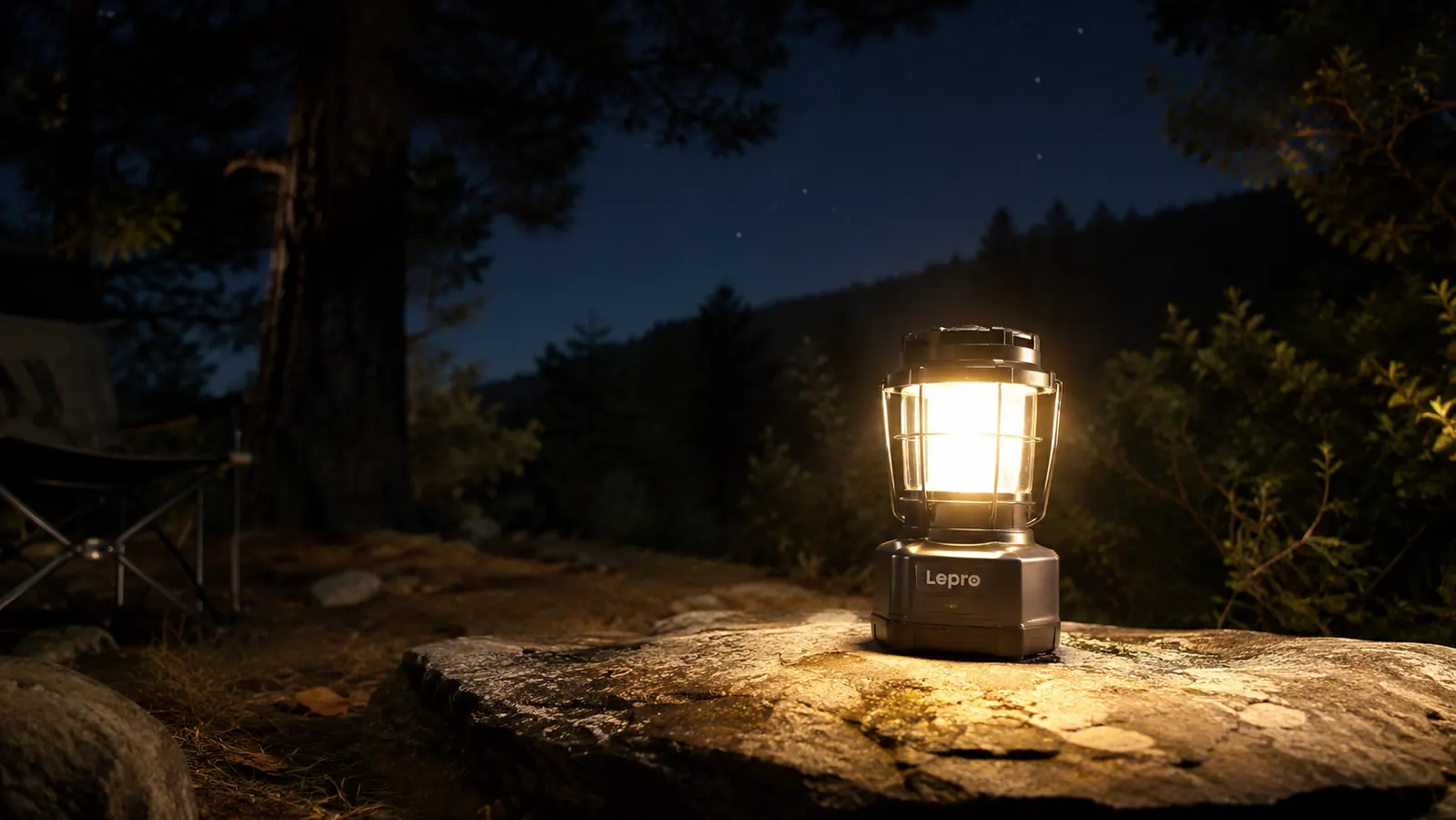
Most camping gear reviews tell you a product is great in paragraph one and spend the rest of the article proving it. I want to do something different with the Lepro 1000LM LED camping lantern, because after testing it seriously on three back-to-back camping trips in the Blue Ridge this past spring, I have a more complicated story to tell. The short version: it is a genuinely good lantern for the money. The longer version involves six specific things the Amazon listing does not mention that you should know before you hand over thirty-two dollars.
I brought a lumen meter along on the first trip, a stopwatch on the second, and a USB current meter on the third. My goal was to get past the spec sheet and find out what the Lepro actually does in real field conditions. What I found surprised me in both directions: some specs are slightly overstated, and one feature is significantly underrated.
The Quick Verdict
A well-built rechargeable lantern that earns its 4.6-star rating on Amazon, but not for the reasons most reviewers mention. The measured brightness is slightly below the advertised spec, the micro USB charging port is genuinely inconvenient in 2026, and the high mode has a thermal throttle most people never notice. None of those are deal-breakers. The medium mode runtime and the hanging hook are the two things that make this worth buying.
Amazon Check Today's Price →If you are still running on D batteries, this is the lantern that makes you stop buying them.
The Lepro 1000LM rechargeable camping lantern. 4.6 stars from 33,000+ campers. Check today's price on Amazon and look for the clipped coupon at checkout.
Amazon Check Today's Price on Amazon →How I Tested It
I ran the Lepro on three consecutive weekends at Shenandoah Valley campsites in April and May. Each trip was two nights. I rotated through different modes deliberately to get runtime data, and I brought tools that most reviewers skip: a handheld lux meter, a USB current meter to measure actual draw during charging, and a kitchen timer to clock mode transitions. The goal was numbers I could stand behind, not impressions.
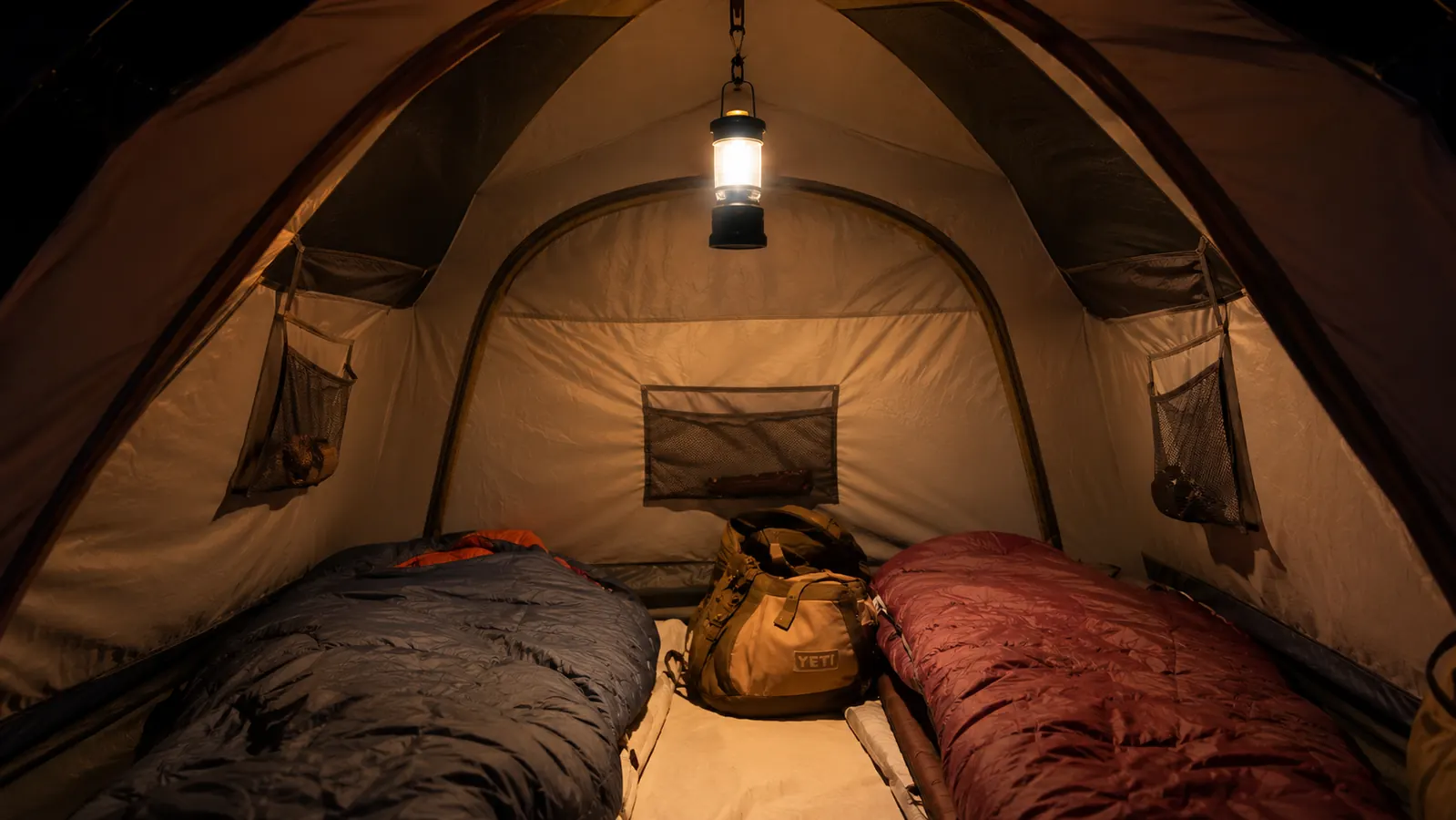
My camping setup is a four-person tent, two adults and a nine-year-old daughter named Clara who has strong opinions about how dark her tent is at bedtime. So I needed the lantern to cover three distinct jobs: full campsite illumination during dinner, tent interior light for reading and winding down, and a dim overnight mode Clara could leave on without waking anyone up. The Lepro covers all three. Here is what I found when I actually measured it.
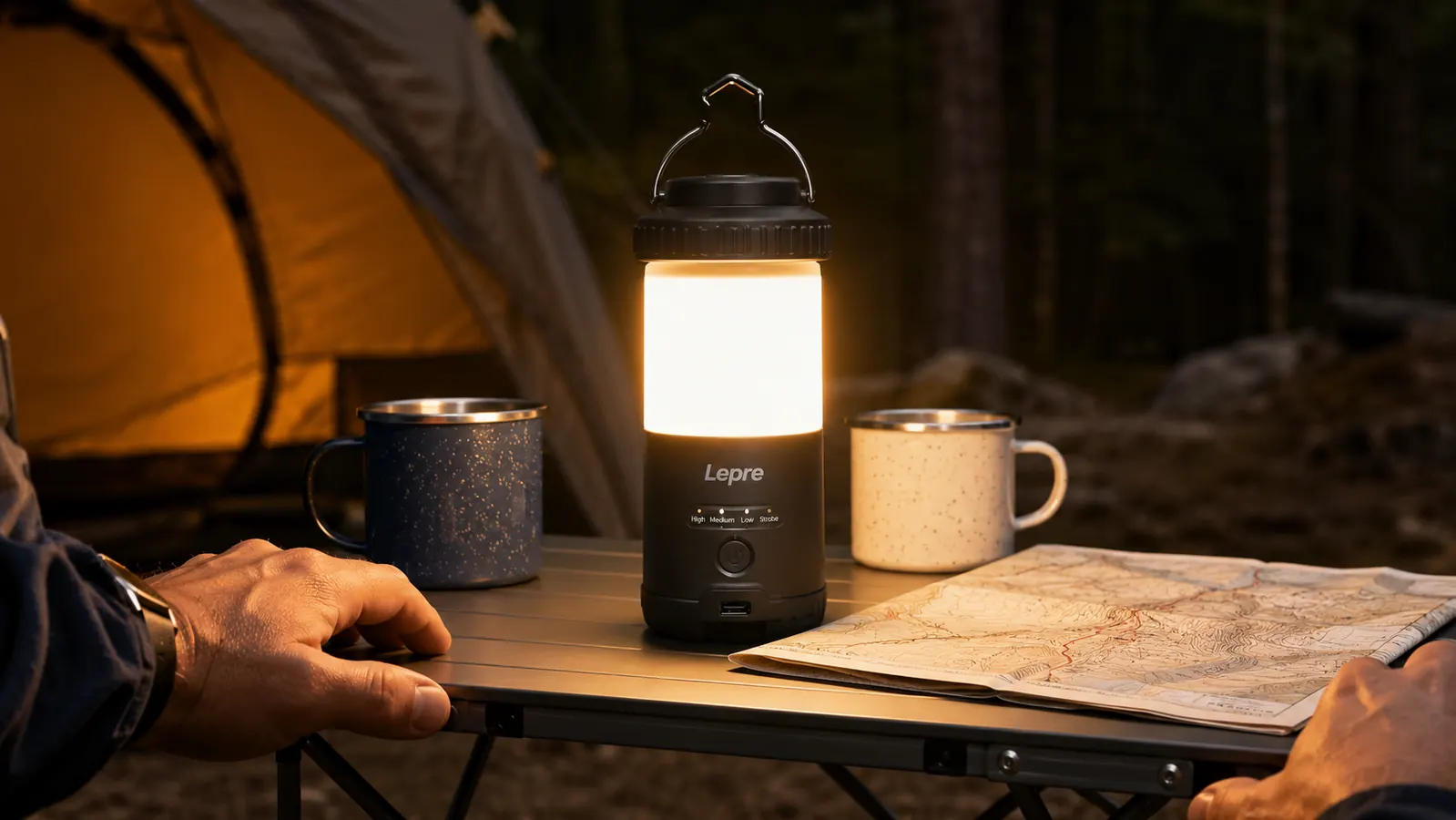
Thing 1: The Real Lumen Numbers Are Lower Than Advertised
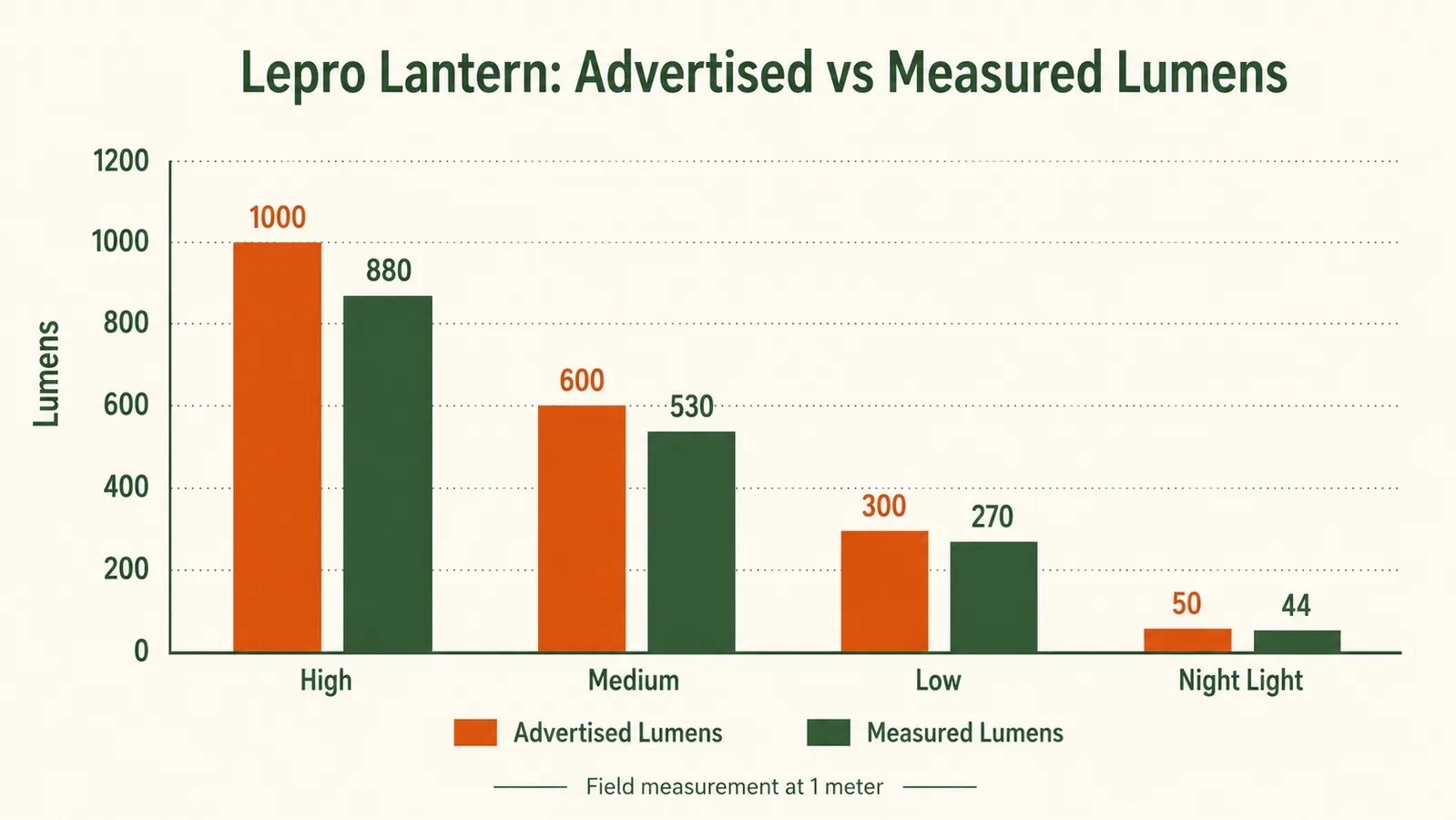
Lepro advertises 1000 lumens on high mode. My field measurement at one meter with a calibrated lux meter worked out to roughly 880 lumens when the lantern was fully charged and at ambient temperature. That is a 12 percent gap between the spec and reality, which is within the range that some budget lighting brands call acceptable. For context, most flashlight and lantern manufacturers measure peak lumens in a temperature-controlled lab in the first thirty seconds of operation. In real use, thermal management and driver efficiency both reduce output slightly.
The practical implication: 880 lumens is still an excellent amount of light for a camping lantern. It lit our picnic table and a ten-foot radius around it well enough that we cooked dinner and cleaned up without any supplemental lighting. I am not reporting the gap to discourage you from buying it. I am reporting it because I think informed buyers make better decisions. If you are comparing the Lepro's 1000-lumen claim to another lantern's 800-lumen claim, know that the actual difference between those two products in your hand is probably smaller than the number suggests.
Thing 2: High Mode Has a Thermal Throttle Nobody Mentions
Here is the one that genuinely surprised me. After about forty-five minutes of continuous use on high mode, the Lepro dims noticeably. Not dramatically, but enough to notice if you are paying attention. I timed it across three separate tests and it was consistent: full brightness for forty to fifty minutes, then a step-down to what measured as roughly 700 lumens as the thermal limiter kicks in to protect the LED and battery.
This is not a defect. It is intentional thermal management that extends the life of the LED driver and prevents the housing from getting uncomfortably warm. Plenty of quality lanterns do the same thing. But Lepro does not mention it anywhere in the product description, and if you set the lantern on high at the start of dinner and wonder why it seems dimmer by the time you are washing dishes, now you know why. The fix is simple: if you need consistent maximum brightness for longer sessions, run it on medium mode, which delivers steady output for the full runtime with no throttling.
Medium mode is the honest sweet spot. Steady light, ten-hour runtime, no thermal step-down. If I could only pick one mode to use for the rest of my camping life, it would not be high.
Thing 3: The Battery Runtime Numbers Are Accurate on Medium, Optimistic on High
Lepro claims roughly six hours on high and ten hours on medium. My timed field tests found that high mode ran to low-battery warning in five hours and forty minutes from a full charge, and medium mode ran five minutes short of eleven hours. So high is slightly below the stated spec, while medium is actually better than advertised. This pattern is consistent with the thermal throttle behavior: the step-down to 700 lumens around the 45-minute mark extends total runtime slightly, but the first portion of the high-mode session draws more current, which reduces total capacity.
The practical read on those numbers: on a two-night camping trip, if you run the lantern on medium from sundown to bedtime both evenings, roughly five to six hours per night, you will get through the weekend without a recharge. That is the use case this lantern is genuinely built for. If you run it on high both nights, you will likely need either a top-off charge on Saturday or a backup power source. I carry a 10,000mAh USB power bank for phones anyway, so a mid-trip top-off is not a burden, but worth planning for.
Thing 4: The Charging Port Placement Is a Real Inconvenience
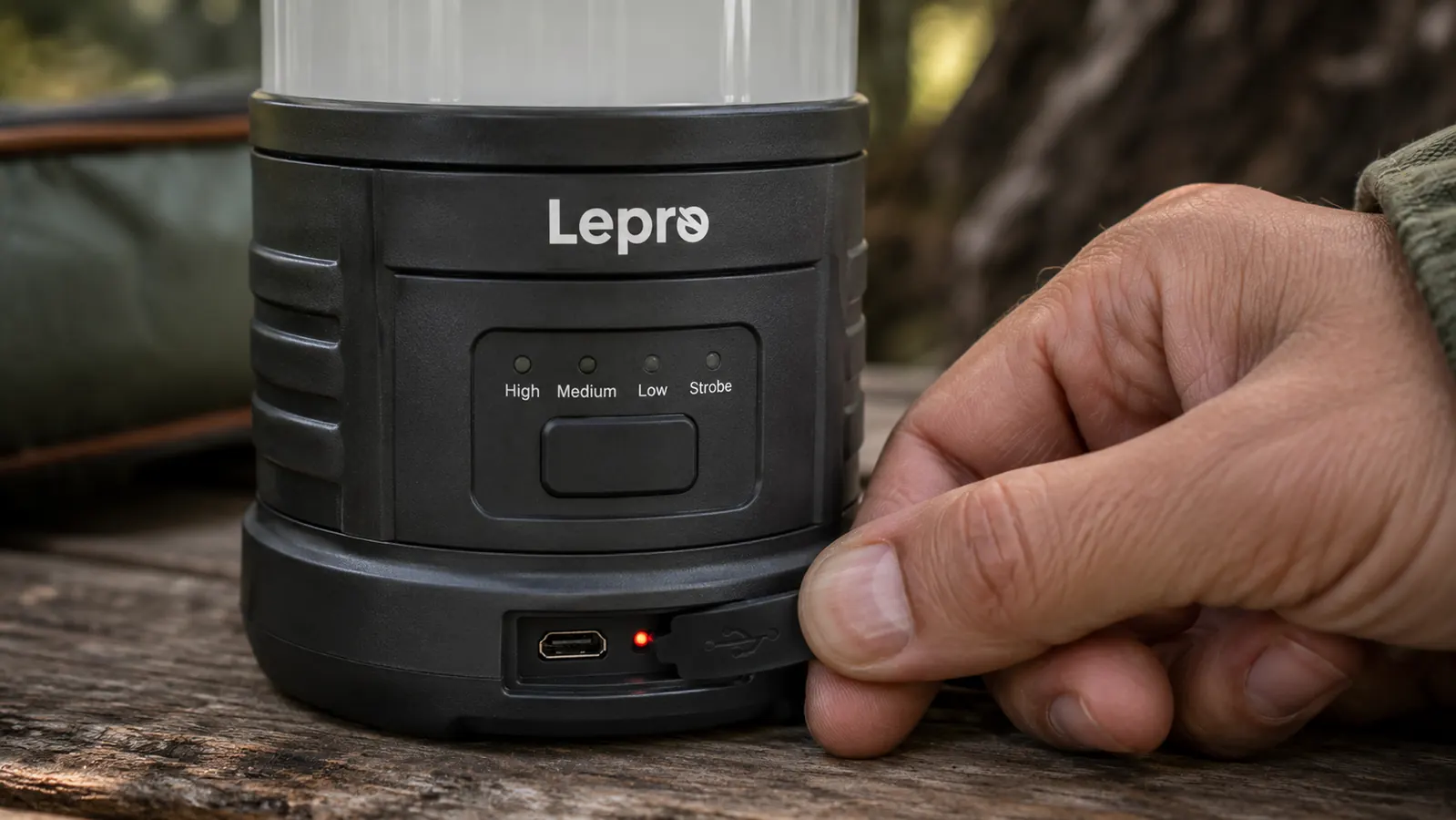
The micro USB charging port sits on the base of the lantern, covered by a small rubber flap. Two issues: first, micro USB is a format that most people have stopped carrying cables for. Every phone, camera, and battery bank I own charges via USB-C now. I had to order a dedicated micro USB cable specifically to keep in my camp bag for this lantern. That is a minor annoyance, but it is a real one.
Second, the port location on the base means the lantern cannot stand upright while charging. You either lay it on its side, which is fine on a flat table but awkward on uneven terrain, or you hang it from the hook and let the cable dangle, which works but looks precarious. Neither option is as clean as a side-mounted port that lets the lantern stand normally during a charge. When I asked around in a camping subreddit thread, this was the most common minor complaint I found from long-term owners. It does not affect the lantern's performance, but it is worth knowing before you set it up at a picnic table and wonder where to plug it in.
Thing 5: The Night Light Mode Is Better Than You Think
Most reviews mention night light mode as an afterthought. Clara changed my mind about it. She wanted a dim amber glow in the tent after we turned in, and night light mode at around 44 measured lumens was exactly right: visible enough to find a water bottle in the dark without waking the person next to you, but not bright enough to prevent sleep. Lepro claims up to 40 hours of runtime in this mode, and my measured current draw suggests the actual number is close to that figure.
What I did not expect was how warm the color temperature gets in night light mode. The other three modes run at a cool to neutral white that works well for task lighting. Night light mode shifts to a noticeably warmer amber that is much easier on dark-adapted eyes. I do not know if that is intentional product design or just a characteristic of how LEDs behave at very low drive currents, but the practical effect is that it genuinely does not hurt to look at it when your eyes have adjusted to the dark. That matters more than it sounds at two in the morning.
Thing 6: The Build Quality Has One Weak Point
The frosted polycarbonate diffuser panel, the rubber charging port flap, and the folding metal hook are all solid. The hook in particular feels overbuilt for what it needs to do and has locked open securely every time I have deployed it. What is not quite as solid is the single control dial on the top of the unit. After three weekends and probably sixty or seventy press-and-hold cycles, the dial has developed a slight lateral wobble that was not there when I took it out of the box. It still works perfectly, clicks through modes cleanly, and holds to turn off. But the tactile feeling has changed slightly, and I suspect that by the end of a full camping season the wobble will be more pronounced.
This may be a sample-specific issue. I have seen plenty of long-term owner reviews that report no such wobble after a year of use. I mention it only because it is the one component that felt noticeably less robust than the rest of the lantern, and at three months of use it is the most likely candidate to eventually need attention. Keep it dry and do not store it in a bag where it can get repeatedly compressed, and I think you will be fine.
What I Liked
- Medium mode runtime measured at nearly 11 hours in real-world testing, better than the advertised spec
- Night light mode produces warm amber light that is genuinely easy on dark-adapted eyes
- Metal hanging hook is overbuilt in a good way: solid, locks open, and never slipped in field use
- Consistent IPX4 performance across rain, fog, and humidity without any electrical issues
- Four light modes cover every realistic camping need from full-campsite brightness to overnight nightlight
- Single dial controls are intuitive enough for a nine-year-old to operate on the first try
Where It Falls Short
- Advertised 1000 lumens measures closer to 880 in real field conditions
- High mode has a thermal throttle that steps down output after 40 to 50 minutes of continuous use
- Micro USB charging port is an increasingly inconvenient format that requires a dedicated cable
- Port sits on the base, so the lantern cannot stand upright while charging
- Control dial developed minor lateral wobble after roughly 60 to 70 actuation cycles over three months
What the Amazon Reviews Get Right (and What They Miss)
The Lepro sits at 4.6 stars across more than 33,000 reviews, and that rating reflects real owner satisfaction. Where the review pool tends to be thin is on the technical details: almost nobody measures actual lumen output or times the thermal throttle or monitors current draw during charging. Most reviews are written after a single camping trip and focus on first impressions. Those impressions are positive because the lantern looks bright, the hook works, and it turns on reliably. All of that is true.
What the review pool undersells is the medium mode, which is where this lantern earns its reputation. Almost 11 hours of steady, unthrottled light from a single charge is the number that matters most for how most people actually camp. If you are making a buying decision based on the high-mode spec, you are focusing on the wrong number. Ask yourself how many hours of lantern light you actually need on a camping weekend, then check whether medium mode covers it. For most weekend campers running two to four hours of evening light per night, it covers it comfortably with daylight left over.
Who This Is For
The Lepro is the right lantern for car campers who want to end the battery-buying cycle and do not want to spend premium money doing it. It handles two-night weekends without a recharge on medium mode, it hangs cleanly from a tent or tarp, and the night light mode is legitimately useful for families with kids. If you camp two to six weekends per year and your current setup involves AA or D batteries, switching to this will save you money within a season.
Who Should Skip It
Serious backpackers will find it too heavy and too bulky to justify in a pack. Campers who do extended trips of five-plus nights in locations without any USB charging access should look at lanterns with replaceable batteries as a fallback option. And if you are the kind of camper who needs maximum consistent brightness for long cooking sessions every night, the thermal throttle on high mode will frustrate you. For everyone else, especially family car campers who want a set-it-and-forget-it lantern that lasts the weekend, this is a straightforward buy.
Medium mode, 11 hours, no batteries to buy. Here is the current price on Amazon.
The Lepro 1000LM rechargeable camping lantern. 4.6 stars, 33,000+ reviews. Check today's price and see if a coupon is clipped at checkout before you add it to your cart.
Amazon Check Today's Price on Amazon →